

NO FEE UNLESS WE WIN
Contact Us If You or a Family Member is a Victim of Nursing Home Abuse
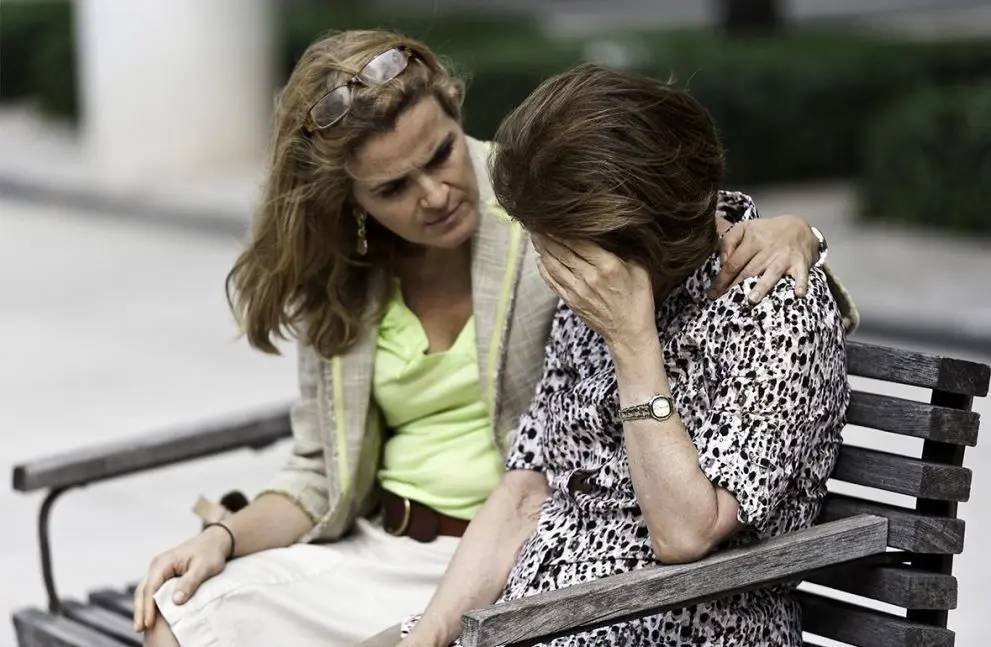
At the Law Office of Paul M. Marriett, we understand and seek to find justice for those injured or harmed in nursing home abuse cases. We devote an ample part of our personal injury law practice to nursing home abuse and elder abuse cases and understand the ins and outs of standardized care for such facilities. With a local network of experts in the long-term facility healthcare field, we are uniquely positioned to help those injured in such a case. These connections enable us to quickly ascertain where and what policies or actions caused various injuries to a client, which helps not only prepare our trial strategy from the very beginning of a case but also results in more favorable outcomes when we enter settlement negotiations with various insurance carriers corporations that may not wish to go to trial in the face of overwhelming evidence . We also will work closely and diligently with our client’s family to ensure that they are able to be placed in a better facility moving forward.
Nursing home abuse is a growing problem as our population continues to age, with baby boomers reaching retirement age, and many others adjusting to life in assisted-living facilities or full-scale nursing homes. While standards of care have been honed over the decades to better care for our elderly, many of these types of facilities are no longer stand-alone businesses and instead are owned by large health care operations that may oversee the day-to-day performance of numerous facilities. What this means for the standard of care is that low-level day-to-day employees, such as facility managers, may deviate from the legal standard of care and be more worried about their month-to-month performance (profit) than they are in taking care of their vulnerable patients.
Perhaps the most concerning issue about nursing home abuse is that most often such abuse will go unreported, and thus unpunished, because the victims have few channels to report the abuse. At the Law Office of Paul M. Marriett, our goal is to aggressively investigate alleged abuse of elderly or disabled patients so that we can not only get compensation for the victims but also help them find a more reputable facility to reside in.
Abuse can happen in various forms but can include:
- Physical abuse, such as intentional infliction of pain from punching, hitting, slapping, etc.
- Emotional or psychological abuse.
- Financial exploitation, including theft or other improper use of an elderly or disabled patient’s information or identity.
- Neglect, such as failure to adequately care for an individual, that can lead to physical harm or mental problems. In some situations, a vulnerable patient may be deprived food or medicine, and the effects that may have on other medications being taken on an empty stomach could cause a domino effect on that patient’s health due to medicines causing adverse side effects by not being administered correctly.A recent example of neglect played out in an unfortunate local case, where a facility did not properly secure its exits, which led to a patient with a cognitive disability leaving the facility and losing their life to extremely cold weather.
What To Look For When You Suspect Nursing Home Abuse
If you have a family member in an assisted-living or full-time care facility and you suspect they may be being abused, some of the key things to look for are:
- Delays in access to your loved one (are you unable to contact them by phone, are you refused or delayed in your visits?)
- Marked weight loss
- Bed sores, bruises, cuts, infections
- Disheveled or torn clothing, bedding or destroyed personal property
- Poor facility cleanliness (do you smell feces or urine in the patient’s room or elsewhere in the facility?)
- A change in the patient’s cognitive ability, or in their personality since they started living at the facility
- Personal property missing or being reported stolen
- An increase or decrease in typical financial activity
- And most telling — any change in personality or in conversation while employees of the facility are present
Nursing home injuries: falls, bedsores, medication errors, and neglect
Illinois gives nursing home residents stronger protection than ordinary negligence law. The Illinois Nursing Home Care Act (210 ILCS 45) makes a facility liable for injuries caused by a violation of the Act or its regulations, and, unlike most injury claims, a resident who wins can recover attorney’s fees and costs from the facility (210 ILCS 45/3-602). That changes the economics of these cases and makes smaller injuries worth pursuing.
The injuries we see most often in Rockford-area facilities:
- Falls, usually a resident with a known fall risk left without the supervision, bed alarm, or assistance the care plan called for. Hip fractures in the elderly are frequently fatal within a year, which is why we treat a fall as a serious case from the start.
- Pressure ulcers (bedsores), which are almost always preventable with repositioning, nutrition, and skin checks. A stage 3 or 4 ulcer is strong evidence of neglect on its own.
- Medication errors: missed doses, wrong doses, and the use of sedating drugs as chemical restraints without a medical reason.
- Dehydration and malnutrition, usually a staffing problem.
- Infections and sepsis from untreated wounds, catheters, or poor hygiene.
- Wandering and elopement by residents with dementia who were not properly monitored.
- Physical, sexual, and financial abuse by staff or other residents.
What to do if you suspect a problem. Photograph injuries, ask for the care plan and incident report in writing, and report to the Illinois Department of Public Health’s nursing home hotline, which triggers an inspection and creates a record. IDPH survey results and the facility’s federal star rating are public and often show a pattern we can use. Keep notes of who you spoke with and when.
Deadline. Two years from the injury for most claims; wrongful death claims arising from nursing home neglect run two years from the death. Claims against a county-owned facility carry the one-year Tort Immunity Act deadline. Many admission agreements contain arbitration clauses; Illinois law limits how those can be enforced against residents, and we review the agreement in the first meeting.
A Rockford Attorney Who Stands Up to Nursing Home Abuse
Meeting with a qualified personal injury attorney in Rockford is free, and there is no fee for us to handle a case unless we win. If you have questions about a nursing home abuse case or want to schedule a free consultation with a Rockford nursing home abuse attorney, contact our office at (815) 391-0089.